
The Association of Orphanages and Home Operators in Nigeria (ASOHON) has raised concern over the growing number of children in institutional care across the country, disclosing that no fewer than 14 million children are currently in motherless and orphanage homes nationwide.
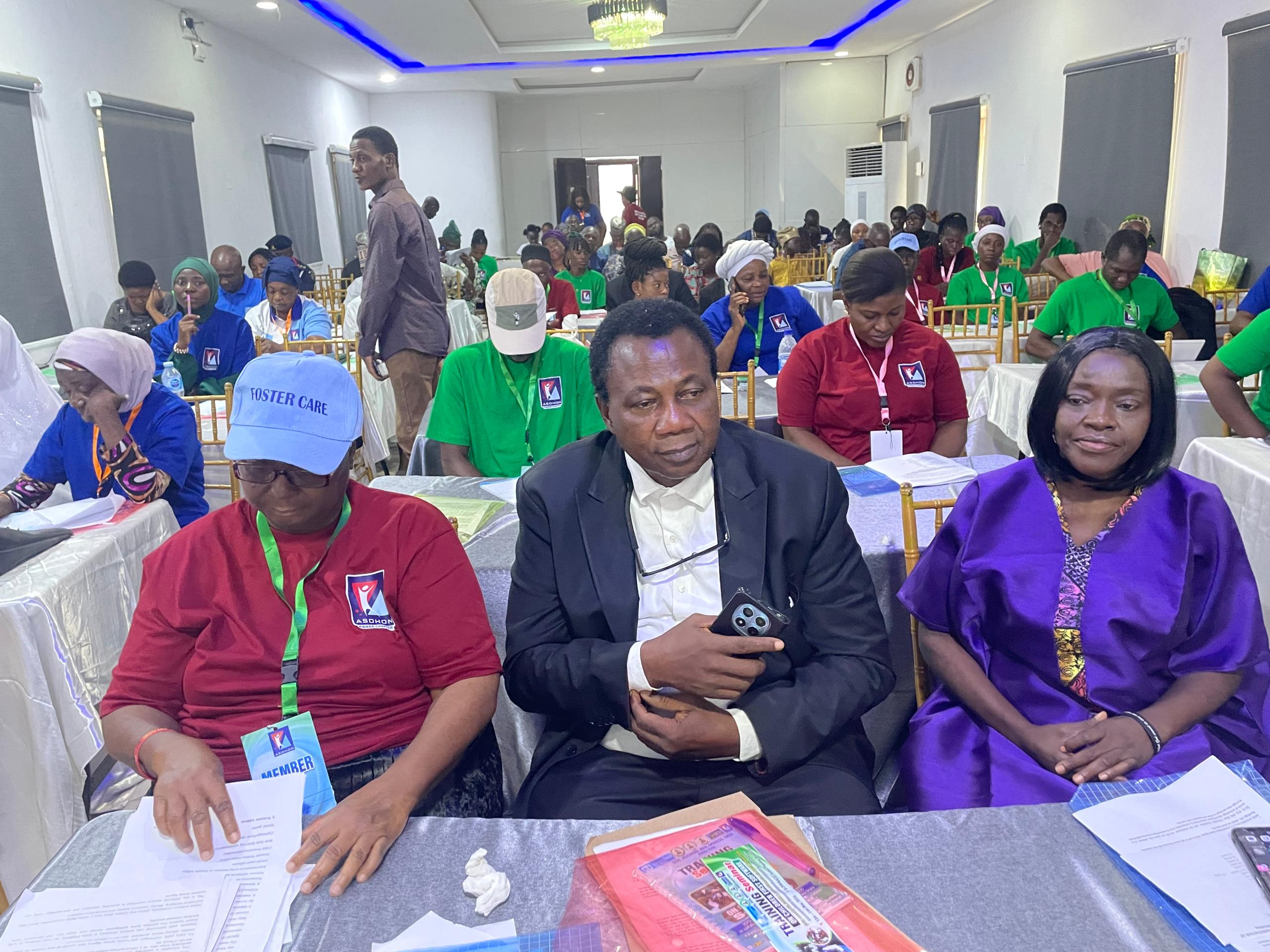
The national president of ASOHON, Dr. Gabriel Oyediji, made the disclosure in Ilorin, Kwara State, during the launch of the association’s Kwara chapter and a two-day training seminar on the use of the Children First Software, a digital platform designed to improve child welfare management in orphanages.
Oyediji said the figure reflects a widening social challenge, noting that about 95 per cent of children in orphanage care are being handled by private operators rather than government-run facilities.
He lamented what he described as limited government support for orphanage homes, saying many operators are left to shoulder the burden of feeding, schooling and accommodation on their own.
“Government does not care about us. Let the government realise that where there is effort, there will also be faults.
“But we should not be over-whipped for our shortcomings,” he said.
The ASOHON president also revealed that some home operators are currently in police custody in Minna, Niger State, over issues relating to documentation and regulatory compliance, stressing the need for operators to better understand the laws guiding orphanage management.

“Some of us run homes without knowing the laws guiding them. Let us not go against government regulations,” he warned.
Oyediji noted that negative public perception has also weakened donor confidence in orphanage homes.
He added that many operators continue only out of passion and commitment despite dwindling support from philanthropists.
At the centre of the new reform drive is the Children First Software, which Oyediji described as a game changer in the monitoring and coordination of vulnerable children across Nigeria.

“This software will ensure proper monitoring, management and effective coordination.
“Above all, it will change the narrative of how vulnerable children are cared for in Nigeria,” he said.
He acknowledged, however, that challenges such as poor electricity supply, limited access to computers, low digital literacy and shortage of trained personnel could slow down implementation.
According to him, ASOHON has begun sensitisation and training programmes to help caregivers adapt to the new digital system, with developers also scheduled to visit orphanage homes across states for hands-on training.
He added that the platform would help preserve vital records that are often lost to disasters such as fire outbreaks and flooding.

“Some homes have lost documents to fire and flood. Once these records are uploaded, they are permanently secured,” he explained.
Oyediji also advocated a gradual shift from institutional care to family-based systems such as foster care and adoption, noting that global best practices now favour raising children in family environments.
He said organisations like UNICEF and SOS Children’s Villages continue to support this transition, stressing that children thrive better when they experience emotional bonding and personalised care.
In Kwara State, the ASOHON Coordinator, Dr. Mrs. Omolehin Christie, painted a grim picture of rising vulnerability among children, linking it to poverty, family breakdown and economic hardship.
She recounted a case where children, denied education for years due to family disputes, were eventually rescued through a family court intervention and brought into her facility.
“One of them was about 12 years old and had never been to school for eight years. When we enrolled them, they cried because everything was new to them,” she said.
Christie said funding remains a major challenge for orphanage operators, noting that donations have dropped significantly since the COVID-19 pandemic as more Nigerians struggle with survival.
She also decried the high cost of electricity, revealing that running orphanage homes has become increasingly difficult due to poor power supply and the prohibitive cost of alternative energy.
“Even solar installation was quoted at about six million naira. How do we raise that just for electricity in a children’s home?” she asked.
Despite the challenges, she expressed joy that five children from her facility recently gained admission into universities, although she admitted that sponsoring their education remains difficult.
Christie also described the Children First Software as a timely intervention that would improve documentation, prevent abuse and reduce risks of child trafficking.
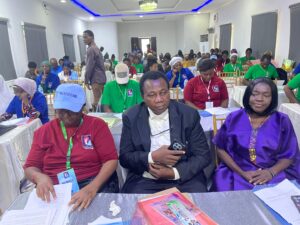
The Kwara State Commissioner for Social Development, Hajiya Mariam Nnafatima Imam, also called for stronger support for caregivers, stressing that effective child care requires both training and sustainable funding.
She noted that orphanage homes in the state face rising operational costs, inadequate facilities and limited financial assistance, urging government, private sector actors and development partners to step in.
According to her, investing in the capacity of caregivers would not only improve child welfare but also strengthen social protection systems across Nigeria.
As stakeholders in Ilorin pushed for digital reform and stronger support systems, ASOHON says the ultimate goal is to ensure that every vulnerable child in Nigeria is properly accounted for, protected and given a better chance at life. (vitalnewsngr.com)