
The Chief Justice of Nigeria (CJN), Kudirat Kekere-Ekun, and the Attorney General of the Federation (AGF), Lateef Fagbemi, have called for professional and responsible judicial reporting.
They warned that accurate communication between the media and the courts is critical to sustaining Nigeria’s democracy ahead of the 2027 general elections.
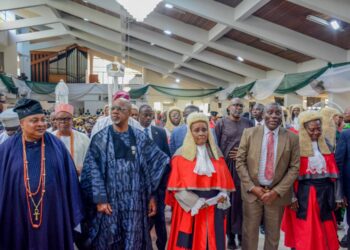
Both of them spoke through their representatives at the 2026 National Conference of the National Association of Judiciary Correspondents (NAJUC) held in Abuja, where stakeholders examined the theme: “The Role of the Judiciary in Deepening Democracy in Nigeria.”
Justice Babatunde Adejumo, representing the CJN, described the judiciary as the guardian of constitutional order, stressing that court decisions only achieve full democratic value when they are properly understood by the public.
He warned that misrepresentation of court rulings and sensational journalism could weaken public trust in the justice system, especially at a time when Nigeria is preparing for a critical electoral cycle.
According to him, journalists must avoid acting as “parallel courts” by independently interpreting judgments outside legal context or presenting incomplete judicial narratives.
He further cautioned that inaccurate reporting of court proceedings could attract legal consequences, including contempt of court.
Justice Adejumo also referenced past experiences where he summoned editors over what he described as false reports, urging journalists to prioritise accuracy over sensationalism.
He warned : “Before you publish any sensational news that may put you behind the bar for years, be careful.”

He added that lawyers who hold press briefings outside court premises in a manner that influences media coverage could also face sanctions.
Hussein Oloyede, who represented the AGF, stressed that the media must avoid being used as a tool for division, misinformation, or political manipulation.
He said political actors must not be allowed to use the press to “tear the fabric of the nation,” insisting that national stability and unity must come before political competition.
He added that government would not tolerate hate speech or incitement capable of undermining public peace, warning that Nigeria must remain stable before political contests can be meaningfully pursued.
The CJN’s address also emphasised the judiciary’s critical role in handling electoral disputes, noting that upcoming elections will test the strength of democratic institutions.
She stressed that accurate and balanced judicial reporting is essential to maintaining public confidence in court decisions, particularly during politically sensitive periods such as elections.
The conference brought together judges, legal practitioners, and journalists to explore how the judiciary and media can jointly strengthen democratic governance in Nigeria.
Participants highlighted the importance of continuous engagement between the courts and the press to improve understanding of judicial processes and reduce misinformation in public discourse.
Analysts say the discussion reflects growing concern over the impact of media narratives on rule of law, election credibility, and public trust in the judiciary as Nigeria moves closer to the 2027 elections. (vitalnewsngr.com)