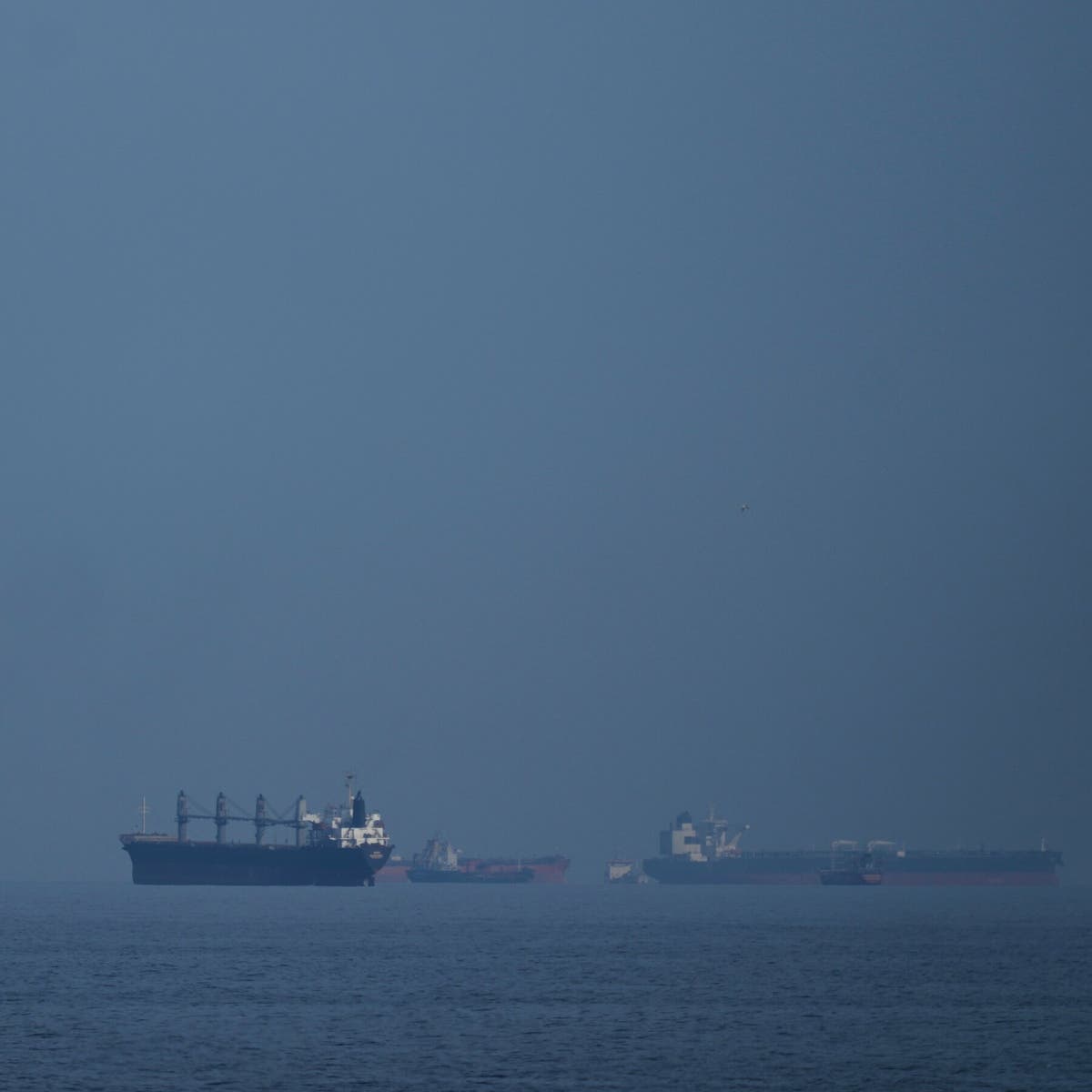

Commercial ships can now sail through the Strait of Hormuz after the agreement of a cease-fire in Lebanon, according to statements from Iran and the United States on Friday
The flow of oil and gas through the waterway had slowed to trickle during the war, creating a shortage of gasoline and diesel that had rattled economies around the world.
The prospect of the strait reopening prompted a sharp decline in oil prices and a rally in stock markets on Friday.
But Iran and the United States were still at odds over the U.S. military’s blockade of Iranian ships, in place since Monday, and enforced east of the strait in the Gulf of Oman. President Trump said on Friday that the blockade would remain.
Iran said that it opposed the blockade, and that it may take countermeasures against it, without saying what those might be.
And there are obstacles to a quick return of ships to the waterway.
Shipping executives want to be certain that their vessels aren’t in danger, and they may be reluctant to comply with Iran’s requirement that ships use a route that runs close to its coastline, rather than the two main lanes used before the war.
Iranian officials said on Friday that vessels would still need permission to travel through the strait.

Ships had not returned in large numbers to the strait as of Friday, according to shipping analysts.
Still, assertions from Iran and the United States that the strait is open suggest that both sides see the waterway as a crucial part of a wider, permanent peace agreement.
Iran’s foreign minister, Seyed Abbas Araghchi, said in a post on X that the strait would be “completely open” after the cease-fire in Lebanon, which began at midnight.
Source – New York Times
(vitalnewsngr.com)