
By Saidu Adamu
Jalingo
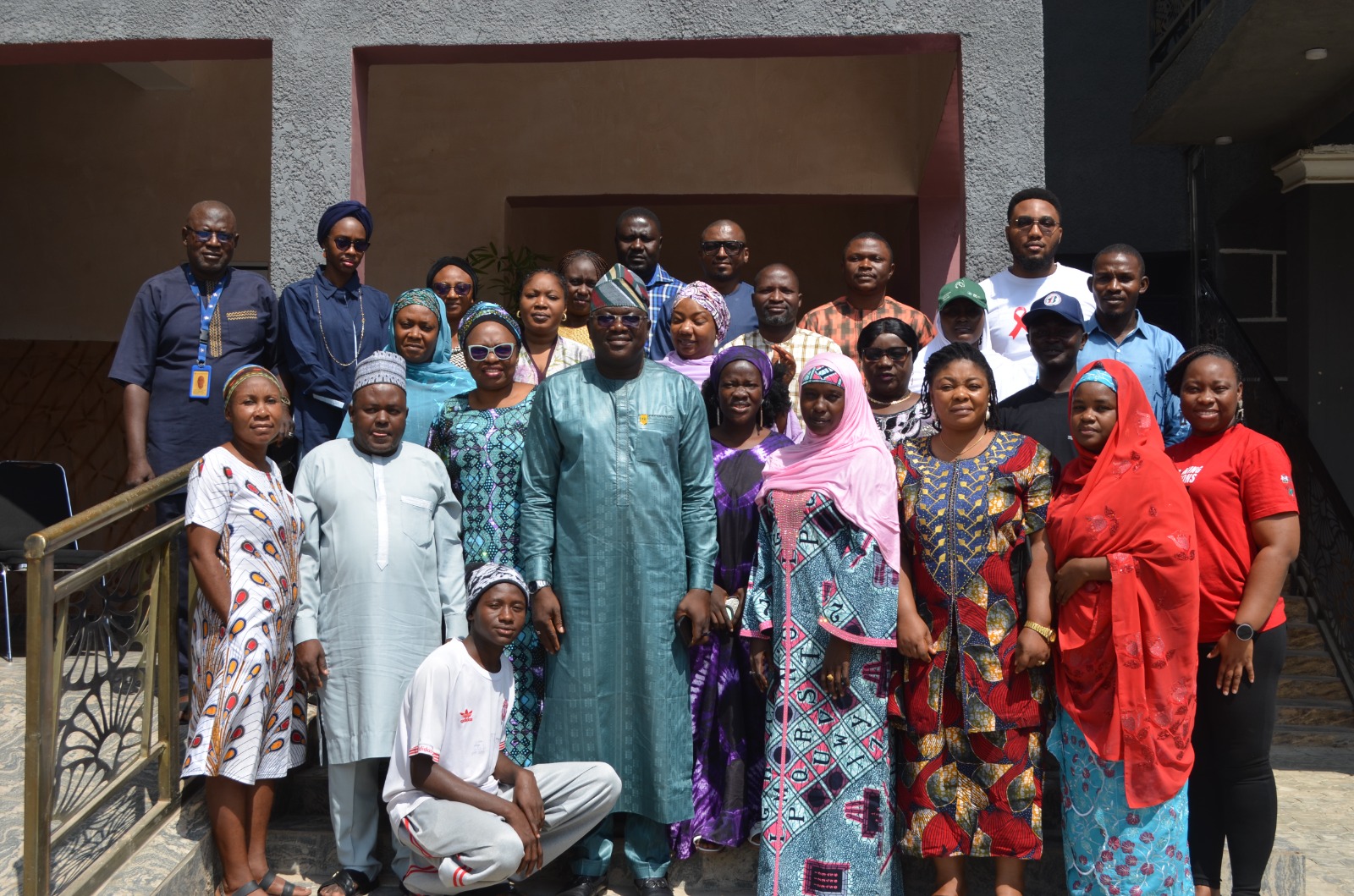
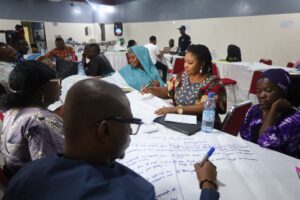
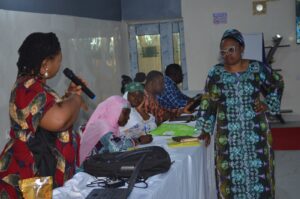
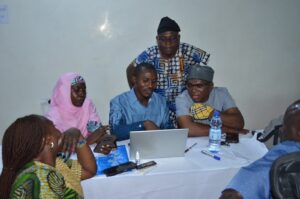
The Society For Family Health (SFH), in collaboration with the Taraba State Primary Health Care Development Agency (TSPHCDA), has trained 122 frontline health workers to strengthen the state’s HIV response.
The training was conducted under the Paediatric Breakthrough Partnership (PBP) project, aimed at ensuring the sustainability of HIV services in primary health care (PHC) facilities as donor-funded programmes transition to government ownership.
Speaking to journalists in Jalingo, the Project Director, Dr Aisha Dadi, said the training held in February 2026 enhanced the capacity of health workers drawn from 37 PHC facilities across all 16 local government areas (LGAs) of the state to deliver integrated HIV services.
According to her, SFH, under the leadership of its Group Managing Director, Dr Omokhudu Idogho, is demonstrating what sustainable impact looks like by moving from co-creation to frontline implementation.
“Following a state-led co-creation process that established an integration blueprint for HIV services within Primary Health Care (PHC), SFH supported the Taraba State Government in operationalising this vision through targeted capacity-building for frontline health workers,” she said.
Dadi noted that the facilities were strategically selected based on client volume and service utilisation to ensure the intervention focused on high-burden, high-impact locations.

She explained that the selected PHCs included LGAs with the highest maternal mortality burden that are also implementing the Maternal and Neonatal Mortality Reduction Innovation Initiative (MAMII), such as Zing, Lau, Ardo-Kola, Gashaka, and Ussa, where effective service integration is critical to reaching underserved populations.
The project, she added, directly addresses significant service gaps in the state.
Citing the 2024 National Demographic and Health Survey (NDHS), Dadi said only 33 per cent of women in Taraba State deliver in health facilities.
“The survey indicates that 67 per cent of women deliver at home, which severely limits access to essential HIV prevention, testing, and maternal health services,” she said.
Dadi stressed that integrating HIV prevention, testing, and treatment into routine PHC service points such as immunisation, antenatal care, and outpatient services was key to reversing this trend.
“This is particularly important for unbooked women and other vulnerable populations, who are often missed by the health system,” she said.
She added that the trained health workers have now acquired practical skills in Prevention of Mother-to-Child Transmission (PMTCT), Early Infant Diagnosis (EID), and paediatric HIV case identification, enabling earlier detection and improved treatment outcomes.
“These competencies are being institutionalised within the PHC system rather than remaining project-dependent,” Dadi explained.
She further stated that trained personnel are required to cascade their knowledge within their respective facilities, significantly expanding the reach of the intervention beyond the initial 122 participants.
“This process is reinforced through state and LGA-led supportive supervision and mentorship, which embeds accountability and continuous quality improvement within government systems,” she said.
Dadi noted that SFH’s role has intentionally shifted from direct service delivery to technical leadership and health systems strengthening.
“By co-developing training content with government stakeholders, aligning with national strategies, and integrating HIV indicators into routine PHC reporting and supply chain systems, the intervention is fully owned and driven by the state,” she said.
She described the initiative as a critical milestone in the transition from vertical, partner-led programming to an integrated, government-led model.
According to her, the outcome is a more resilient health system capable of sustaining HIV service delivery beyond donor funding cycles, while improving access to quality care for children, adolescents, and families.
(vitalnewsngr.com)