
The Federal Ministry of Finance has dismissed recent media reports and commentaries alleging “hidden spending” and diversion of federation revenue, describing them as a misrepresentation of findings contained in the latest Nigeria Development Update published by the World Bank.
In a statement issued on Sunday, the Ministry said the claims circulating in sections of the media incorrectly interpreted the World Bank’s analysis of Federation Account Allocation Committee (FAAC) deductions, stressing that the deductions are legitimate components of Nigeria’s fiscal framework.
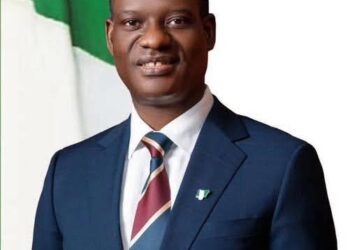
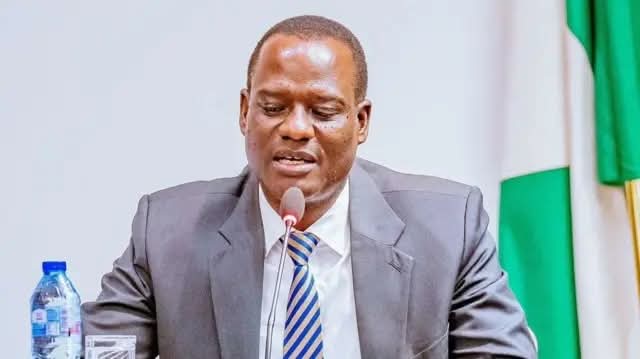
The statement was signed by the Honourable Minister of State for Finance, Taiwo Oyedele.
According to the Ministry, FAAC deductions include statutory transfers, savings and investments, security related expenditures, cost of collection charges, refunds to Ministries, Departments and Agencies (MDAs), and transfers or interventions that benefit sub national governments.
It clarified that refunds and transfers to states and other tiers of government do not constitute leakages or missing funds, but rather lawful fiscal obligations and structured financial flows within the federation system.
The Ministry further faulted what it described as selective reliance on outdated data by some commentators, arguing that such interpretations ignored ongoing reforms in public financial management.
It highlighted that recent policy measures, including a 2026 Executive Order aimed at strengthening the remittance of petroleum revenues, are already improving transparency and efficiency in revenue administration.
The reforms, it added, are projected to increase distributable revenues to all tiers of government by about 0.4 percent of GDP annually.
On the broader economic outlook, the Ministry noted that the World Bank report presents a generally positive trajectory for Nigeria’s economy.
It pointed to signs of more broad-based economic growth, easing inflation pressures, strengthened external reserves, and a current account surplus as key indicators of progress.

The statement also referenced improvements in debt indicators, including a decline in Nigeria’s debt-to-GDP ratio for the first time in over a decade, attributing these gains to ongoing macroeconomic and fiscal reforms.
According to the Ministry, the World Bank did not conclude that Nigeria’s fiscal system is failing, but rather emphasized that current reforms are yielding results and must be sustained to achieve inclusive economic growth.
Reaffirming government commitment, the Ministry stressed continued efforts to strengthen fiscal transparency, improve revenue mobilisation, and ensure more efficient public spending.
It urged media organisations, stakeholders, and the public to engage responsibly with fiscal data and avoid interpretations that could distort facts or undermine ongoing reform efforts.
Source – Starnews NG
(vitalnewsngr.com)