
Stakeholders in Nigeria’s peace and governance sector have renewed calls for the full inclusion of women in political and peacebuilding processes, describing it as indispensable to achieving sustainable peace and national stability.
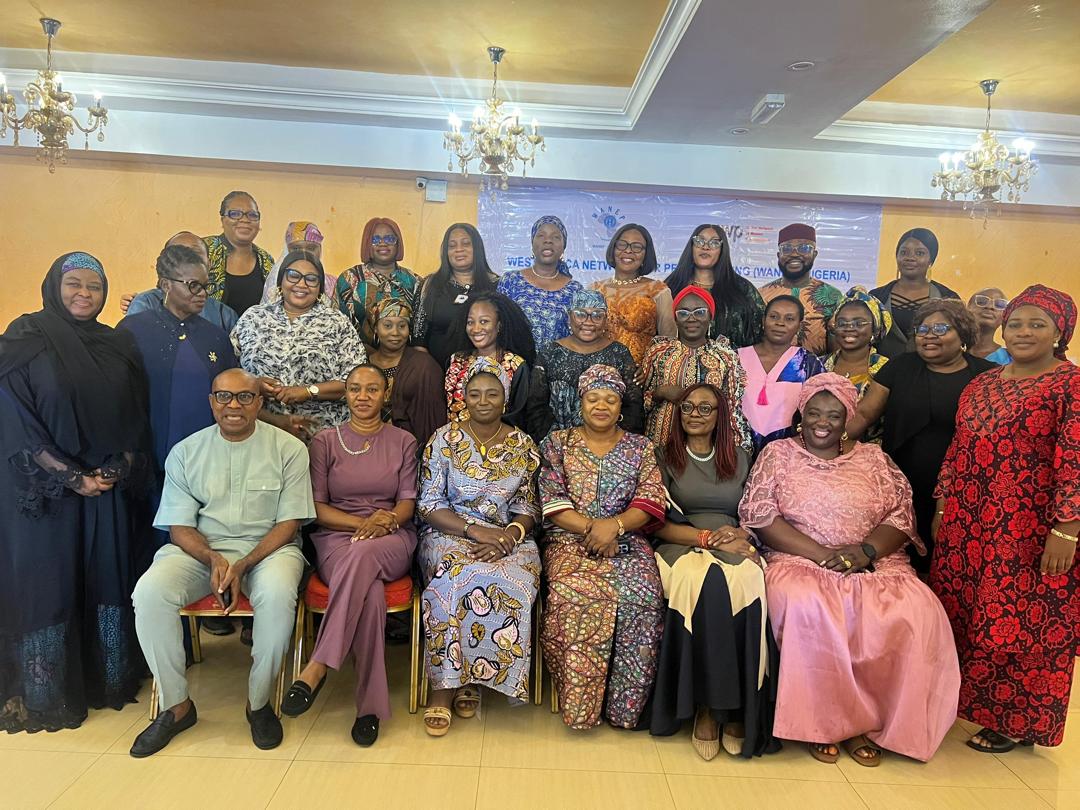
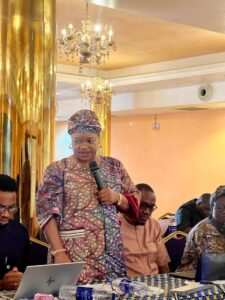
The call was made by the West Africa Network for Peacebuilding (WANEP) Nigeria and the Global Network of Women Peacebuilders (GNWP) at a two-day town hall meeting held in Abuja under the Women, Peace and Security (WPS) and Youth, Peace and Security (YPS) frameworks.
The meeting, themed “Strengthening Local Leadership in WPS and YPS in Nigeria,” was organised by WANEP Nigeria with support from Global Affairs Canada.
Speaking at the event, Chairman of WANEP Nigeria Board, Kolawole Olatosimi, said the initiative is aimed at generating practical and community-driven solutions to deepen women’s leadership in governance and peacebuilding.
He noted that at a time when several communities are grappling with insecurity, there is a need for collective reflection and solidarity, while extending condolences to victims of recent attacks.
According to him, evidence from peacebuilding efforts globally shows that durable peace is more achievable when women are actively involved in decision-making and conflict resolution.
Also speaking, National Network Coordinator of WANEP Nigeria, Bridget Osakwe, said the organisation continues to drive programmes across West Africa that promote nonviolence, democratic governance, and inclusive participation.
She explained that the WPS agenda is not limited to conflict zones but also addresses structural inequalities in everyday governance, which often worsen during crises.
Osakwe emphasised that increasing women’s representation in politics remains critical to addressing election-related violence and entrenched barriers that limit their participation.
Highlighting strategies to overcome these challenges, she pointed to mentorship, dialogue, and peer learning among women leaders as essential tools for navigating political systems and strengthening collective influence.
She also challenged prevailing stereotypes that frame women as lacking support systems, noting that political competition cuts across gender lines.
Representing GNWP, Ruth Abunaw Bison, drew attention to the realities faced by women leaders, particularly in conflict-affected communities, where insecurity, harassment, and institutional constraints continue to undermine their contributions.

She stressed that investing in women’s political leadership should be seen as a strategic pathway to peace and development, not merely a gender issue.
According to her, the forum is designed to amplify women’s voices, strengthen advocacy efforts, and produce actionable recommendations that will advance both the WPS and YPS agendas in Nigeria.
Participants at the town hall expressed optimism that sustained collaboration among government institutions, civil society organisations, and international partners would help dismantle systemic barriers and create a more inclusive governance framework.
They agreed that empowering women at the grassroots level and integrating their perspectives into policy and decision-making processes would not only reduce conflict but also strengthen democratic institutions and promote long-term national cohesion.
(vitalnewsngr.com)